

What to Expect During an Internal Pelvic Floor Exam
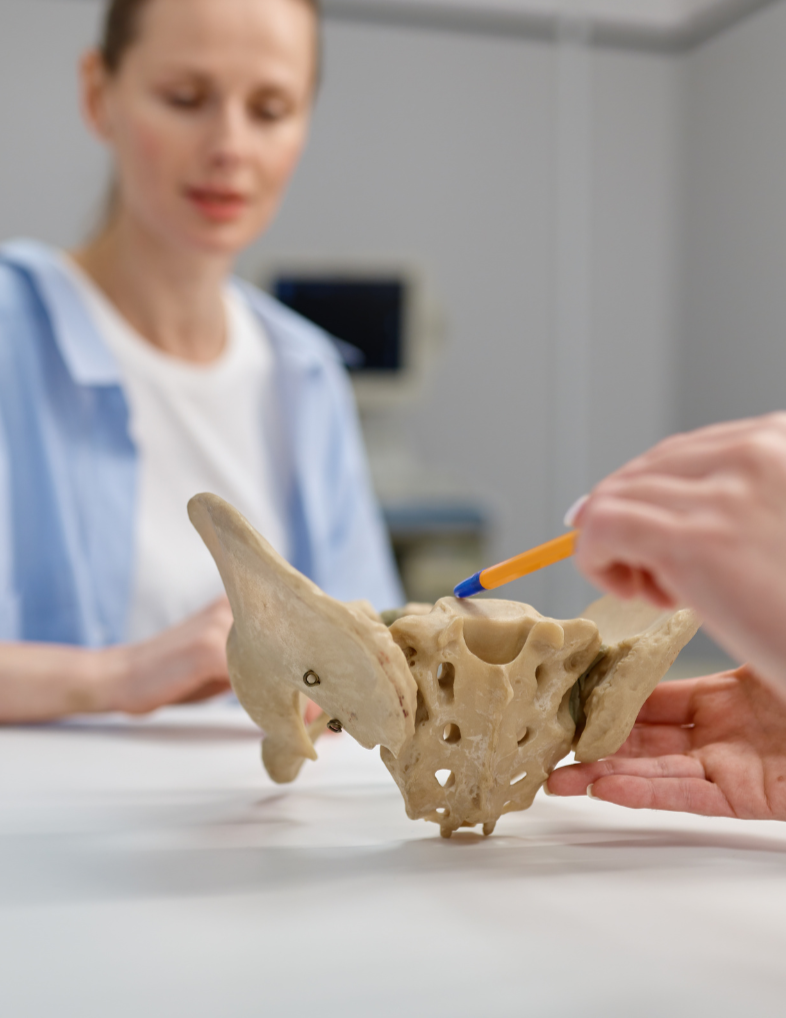
If you’ve been told you may benefit from pelvic floor physical therapy, you might be wondering what actually happens during an appointment, especially if an internal pelvic floor exam has been mentioned.
For many women, this part can feel intimidating simply because no one has taken the time to explain it clearly. At Highlands Pelvic Health, Fitness & Physical Therapy, we want you to feel informed, comfortable, and fully in control of your care every step of the way.
An internal pelvic floor exam is never meant to feel scary, rushed, or forced. It is simply one tool we may use to better understand how your pelvic floor muscles are functioning and how we can best support your healing.
First, What Is the Pelvic Floor?
Your pelvic floor is a group of muscles located at the base of your pelvis. These muscles help support your bladder, uterus, and rectum. They also play an important role in bladder control, bowel movements, sexual function, core strength, posture, pregnancy, birth, and postpartum recovery.
Just like any other muscle group in the body, the pelvic floor can become weak, tight, tender, uncoordinated, or overworked. Pelvic floor symptoms can show up in many different ways, including:
Leaking urine
Pelvic pressure or heaviness
Pain with intercourse
Tailbone, hip, or low back pain
Constipation
Difficulty relaxing or emptying
Pregnancy-related pelvic pain
Postpartum discomfort
C-section or perineal scar sensitivity
Feeling disconnected from your core
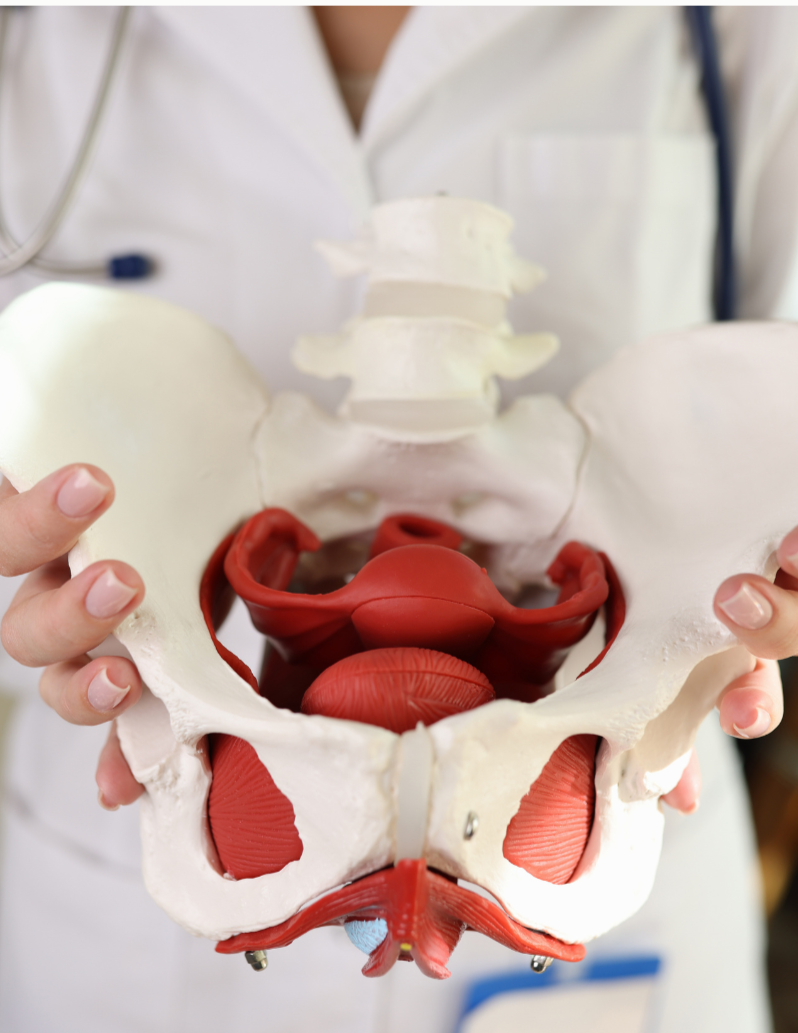
An internal exam can help us better understand what your muscles are doing and how they may be contributing to your symptoms.
Is an Internal Exam Required?
No. An internal pelvic floor exam is always optional.
Your comfort and consent are the priority. Before anything happens, your therapist will explain what the exam involves, why it may be helpful, and what information we are looking for. You always have the right to ask questions, pause, decline, or choose a different approach.
We can still do a lot of meaningful pelvic floor work without an internal exam. This may include breathwork, movement assessment, external pelvic floor assessment, core and hip strength testing, posture, mobility work, scar tissue work, education, and exercise programming.
What Happens Before the Exam?
Before any physical assessment, we start by talking through your story. This includes your symptoms, goals, birth history if applicable, bladder and bowel habits, pain, activity level, and anything else that feels important to you.
We want to understand the full picture, not just what symptoms you are having, but how those symptoms are impacting your daily life.
Your therapist will also explain the purpose of the internal exam. In many cases, we are assessing things like:
Pelvic floor muscle tension
Tenderness or pain points
Strength
Coordination
Ability to relax
Scar tissue sensitivity
Muscle endurance
How the pelvic floor works with your breathing and core
The exam is not like a typical gynecological exam. There is no speculum, no stirrups, and no rushing.
What Does the Internal Exam Feel Like?
During an internal pelvic floor exam, your therapist may assess the pelvic floor muscles vaginally using one gloved, lubricated finger. You will be covered and positioned comfortably, usually lying on your back with your legs in the position that you are most comfortable in.
Your therapist will talk you through each step before it happens. The exam is typically gentle and slow. We may ask you to take a breath, contract your pelvic floor, relax your pelvic floor, or bear down gently, depending on what we are assessing.
Some people feel pressure, stretching, or mild tenderness if certain muscles are tight or sensitive. However, the exam should not feel unbearable. If anything feels too uncomfortable, we stop.
This is a collaborative process. You are not expected to “push through” pain.
Why Would Someone Need an Internal Pelvic Floor Exam?
An internal exam can give helpful information that we cannot always get from the outside. For example, two people may both have leaking, but one may have pelvic floor weakness while the other may have pelvic floor tension and poor coordination. Those two people may need very different treatment plans.
The exam helps us tailor your care specifically to your body instead of guessing.
It can be especially helpful for people experiencing pelvic pain, pain with intercourse, leaking, heaviness, prolapse symptoms, postpartum recovery concerns, birth prep needs, or difficulty relaxing the pelvic floor.

What Happens After the Exam?
After the exam, your therapist will explain what was found in clear, simple language. We will talk through how your pelvic floor is functioning and how that connects to your symptoms.
From there, we create a personalized treatment plan. This may include:
Pelvic floor relaxation or strengthening
Breathing and pressure management
Core and hip strengthening
Mobility work
Manual therapy
Scar tissue mobilization
Birth prep strategies
Return-to-exercise guidance
Bladder or bowel retraining
A home exercise program
The goal is not just to tell you what is going on, it is to help you understand your body and feel confident in what to do next.
You Are Always in Control
One of the most important things to know is that pelvic floor physical therapy should always feel consent-based and patient-centered.
You can ask questions at any point. You can decline any part of the exam. You can choose to start with external treatment first. You can change your mind. You can pause or stop at any time.
At Highlands Pelvic Health, Fitness & Physical Therapy, our goal is to create a safe, comfortable, and supportive environment where you feel heard, respected, and cared for.

Pelvic Floor Care in the Comfort of Your Home
Because we are an in-home pelvic floor physical therapy practice, your sessions take place in the comfort and privacy of your own home. This can help the experience feel less clinical and more relaxed, especially during pregnancy, postpartum, or busy seasons of life.
Whether you are preparing for birth, recovering postpartum, dealing with pelvic pain, navigating leakage, or simply wanting to better understand your body, pelvic floor physical therapy can help you feel more supported and confident.
If you have questions about whether pelvic floor therapy is right for you, we would love to connect with you.
